How to Deal with a Narcissistic Mother: Boundaries, Safety, Recovery
Practical, trauma-aware steps to recognize narcissistic traits in a mother, protect your mental health, set enforceable boundaries, and decide when distance is necessary.
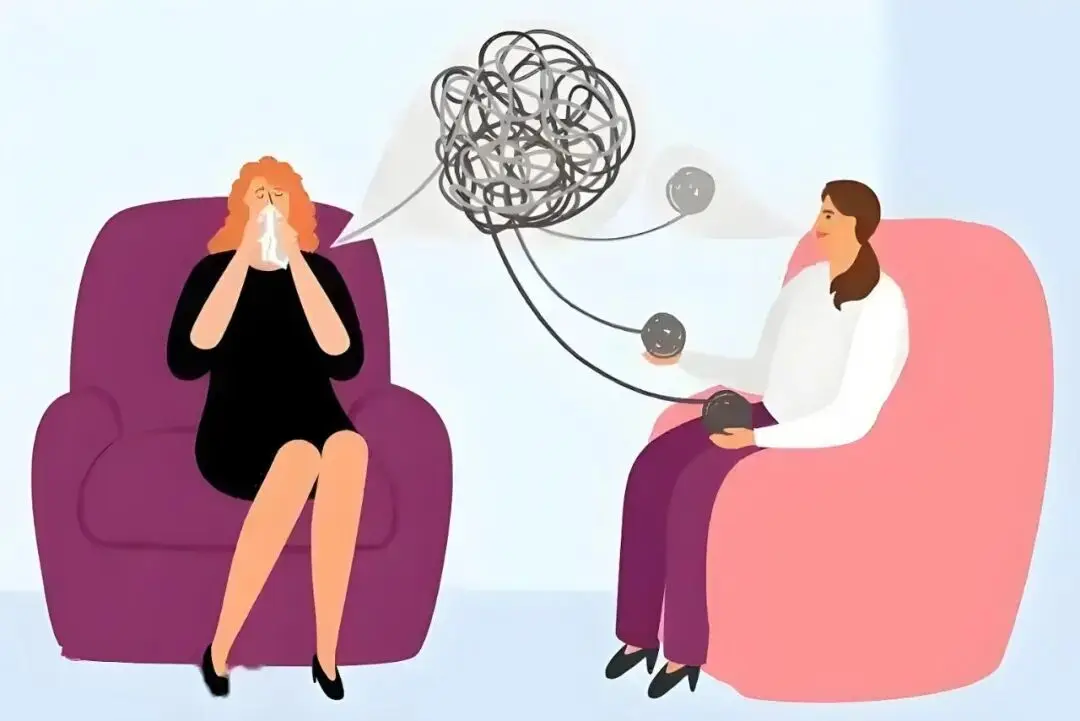
How to Deal with a Narcissistic Mother: Boundaries, Safety, Recovery
Growing up with a narcissistic mother often means chronic criticism, blurred boundaries, and emotional whiplash. You can’t change her personality structure—but you can protect yourself and reclaim agency. This guide translates core principles into actionable steps.
1) Know the Patterns You’re Up Against
- Control framed as “for your own good”: career, partner, clothes, friends all get audited.
- Conditional love: warmth arrives only when you comply or perform.
- Low empathy, high reactivity: your needs are minimized; her emotions must be managed.
- Gaslighting and fact denial: past words or promises are overturned to keep you off balance.
- Victim narratives and guilt hooks: “I sacrificed everything for you” becomes leverage for compliance.
Naming these patterns helps you separate her behavior from your worth.
2) Reset Expectations with Task Separation
- What’s yours: career, relationships, lifestyle, privacy.
- What’s hers: her mood, choices, aging, health, and social outcomes.
- Drop the fantasy of reform: meaningful personality change is rare without sustained therapy and strong internal motivation—which she must own, not you.
3) Build Boundaries You Can Enforce
1. Write the non-negotiables: e.g., “No career directives,” “My phone and room are private,” “I end calls when yelled at.”
2. Use “I” statements, not indictments: “I’ll decide my job; I’m open to hearing concerns in one call a week,” instead of “You never respect me.”
3. Repeat calmly and keep receipts: consistent phrasing plus written follow-ups reduce gaslighting.
4. Pair words with actions: if she crosses a line, end the conversation or leave the room—every time.
4) Manage Contact: Lower Frequency Before Cutting Off
- Channel shift: move heated talks to short texts; avoid late-night or high-stress calls.
- Time box: “I have 10 minutes to chat”; end when the timer is up.
- De-escalation script: “We’re both upset. I’ll pause here and reconnect tomorrow.”
- Don’t litigate feelings: return to the practical decision at hand.
5) Safety First: Three Tiers of Protection
- Daily tier: keep your own friends, income, and hobbies—social isolation increases control. Log incidents and feelings to validate your reality.
- Safety tier: if yelling, threats, or property damage appear, step away physically, stay with trusted people, and reduce solo contact.
- Legal tier: for physical violence, stalking, or financial control, document evidence and consult local legal and mental-health professionals early.
6) When to Reduce or End Contact
Choose distance when any of these persist despite clear requests:
- Chronic belittling or sabotage that erodes self-worth.
- Repeated boundary violations paired with anger or retaliation.
- Health impact: anxiety, depression, insomnia, or somatic symptoms linked to contact.
“Minimal necessary contact” or a temporary/no-contact period is a self-protection tool, not a moral failure.
7) Healing Yourself While You Protect Yourself
- Reality anchors: separate her criticism from your value; write counter-evidence.
- Professional support: trauma-informed therapy helps with guilt, anger, and nervous-system regulation.
- Community: invest in friends, partner, support groups—mirrors that reflect you accurately.
- Body care: sleep, movement, breath work; a calmer body resists emotional hooks.
8) Quick Responses You Can Use
- Boundary reminder: “I’m not discussing career choices. Let’s talk Sunday about logistics.”
- Pause: “I hear you’re upset. I’m stepping away now; we’ll pick this up when we’re both calm.”
- Decline guilt: “I appreciate your effort; my decision stands.”
- Exit: “We’re going in circles. I’m ending this call.”
9) If You Stay in Contact
- Keep expectations low; celebrate small wins like shorter conflicts, not personality shifts.
- Rotate neutral topics; avoid giving ammo (finances, relationships) that can be used to control.
- Track your emotional cost. If you leave every call drained, lower frequency again.
10) Remember the Core Principle
Your job isn’t to fix a narcissistic mother. Your job is to keep yourself safe, sane, and free to build the life you choose. Boundaries are not punishments—they are the architecture of your well-being.